Video
Honest Review
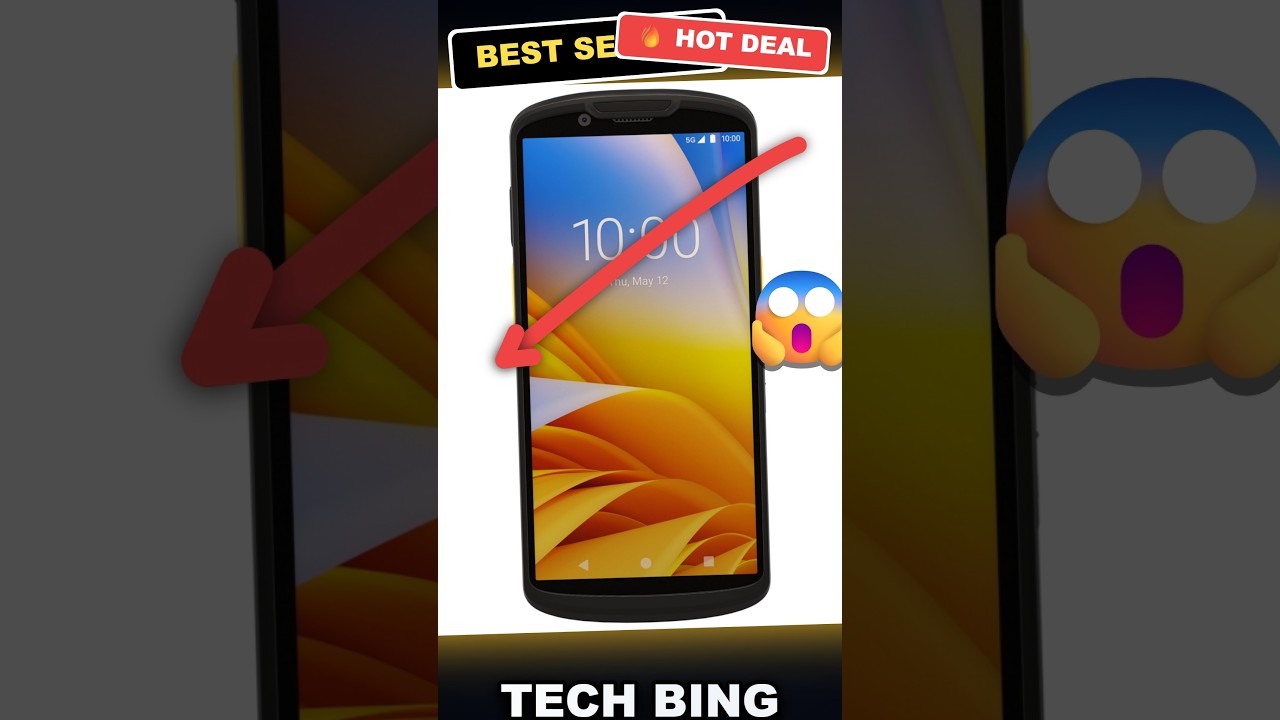
Tech Bing Tested: Zebra TC58 Mobile Barcode Scanner — Is It Worth the Investment?
Price varies
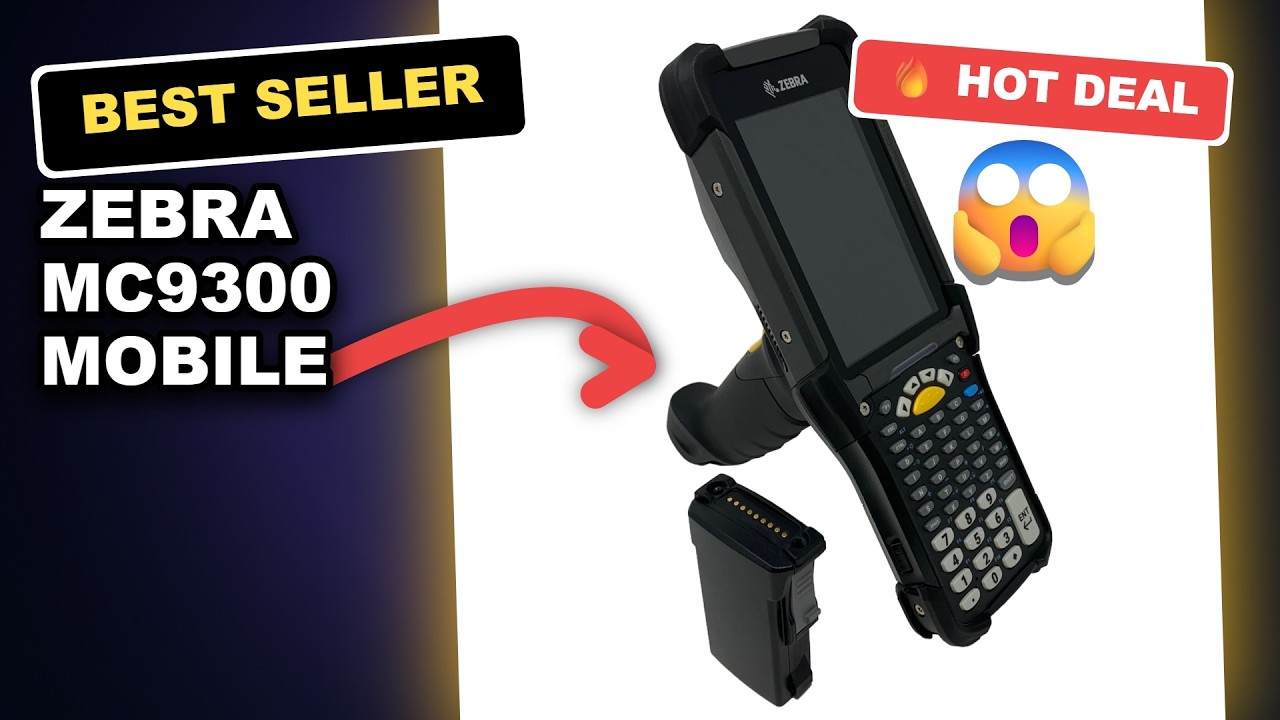
If you're running a warehouse, retail store, or any business that relies on fast, accurate barcode scanning, the Zebra MC9300 might be on your radar. This isn’t just another scanner—it’s a rugged, Android-powered workhorse designed to handle heavy daily use without breaking a sweat. After putting it through its paces in real-world conditions, we’re breaking down whether it lives up to the hype. This review matters now because supply chain demands are higher than ever, and a scanner that can’t keep up can cost you time and money. We’ll cover everything from build quality to scanning range, so you can decide if this is the right tool for your operations. The Zebra MC9300 feels like a tank from the moment you pick it up. It’s built with industrial-grade materials, including a reinforced plastic chassis that can survive drops, dust, and even the occasional coffee spill. The 4.3-inch WVGA display is bright and clear, though not as sharp as modern smartphones—expect a retro pixelated look, but it’s perfectly readable even in direct sunlight. The 53-key alphanumeric backlit keypad is a standout feature, offering tactile feedback that’s crucial for long scanning sessions. At 1.4 pounds, it’s heavier than consumer-grade scanners, but that weight translates to stability when you’re scanning barcodes for hours on end. The ergonomics are solid, with a contoured grip that prevents hand fatigue, though the bulk might take some getting used to if you’re used to lighter devices. Scanning performance is where the MC9300 truly shines. The SE4850 extended-range 1D/2D imager delivers consistent reads even at distances up to 50 feet, which is a game-changer for large warehouses or outdoor inventory checks. We tested it on damaged, smudged, and poorly printed barcodes, and it nailed them every time—something cheaper scanners often struggle with. The Android 13 GMS platform is a nice touch, giving you access to the Play Store for apps like inventory management software or custom enterprise tools. Battery life clocks in at around 12 hours with moderate use, which is decent but not class-leading—expect to charge it overnight if you’re running multiple shifts. Connectivity is robust, with dual-band Wi-Fi (802.11ac/ax) and optional 4G LTE for remote workers. Compared to the Honeywell Xenon 1900, the MC9300 offers better range and a more durable build, though the Xenon is lighter and cheaper. If you need raw scanning power and don’t mind the bulk, the MC9300 is the better pick. Value is where things get tricky. The MC9300 isn’t cheap—it’s a premium device aimed at businesses, not casual users. If you’re a small shop owner or just need a scanner for occasional use, there are more affordable options that won’t break the bank. However, for high-volume environments where downtime is costly, the MC9300’s reliability and performance justify the investment. It’s not the most stylish device, and the learning curve for the keypad might frustrate new users, but if you prioritize durability and scanning accuracy, this is one of the best enterprise scanners on the market right now. Bottom line: if you need a scanner that can handle the toughest conditions and won’t quit on you, the Zebra MC9300 is worth considering.
Price varies
Price varies