Top Business Laptops
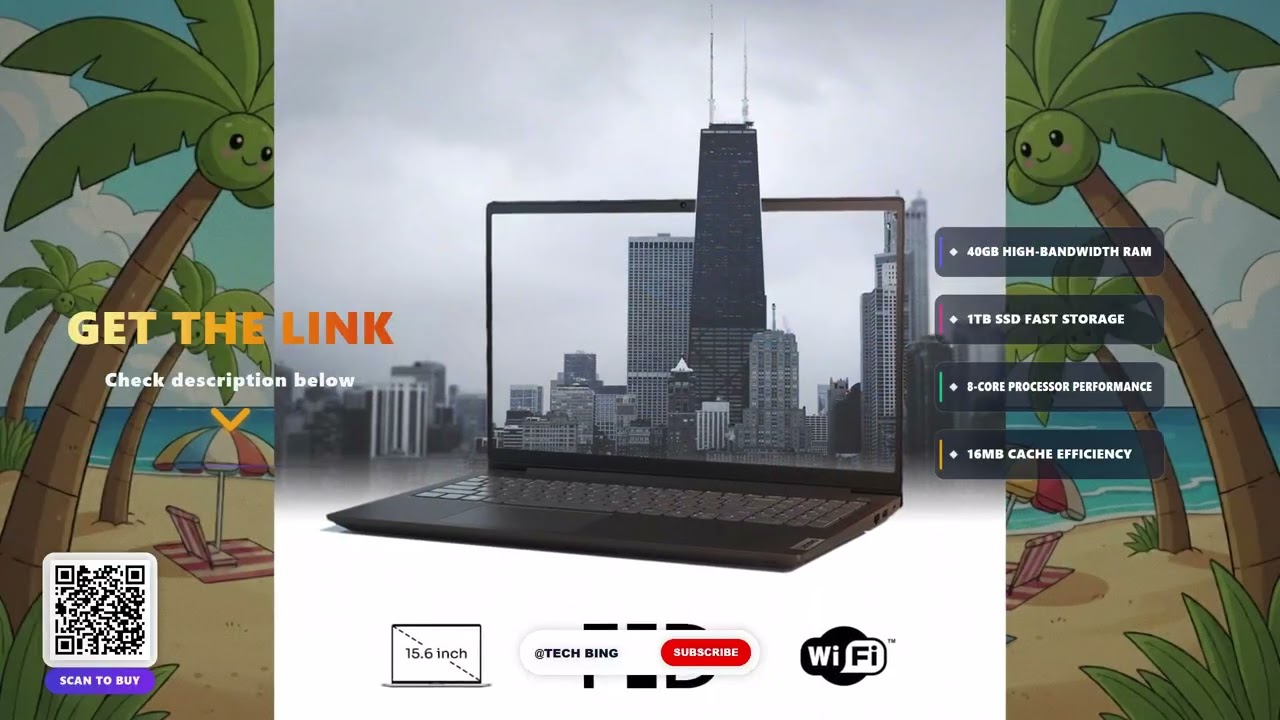
Honest Lenovo V-Series V15 Business Laptop Review: 15.6' FHD Display, AMD Ryzen 7 7730U Performance
Price varies
The Samsung Galaxy Book6 2026 arrives as the brand’s latest push into the premium thin‑and‑light market, targeting business professionals who demand speed, battery endurance, and a touch interface in a single chassis. With an integrated 12 MB L3 cache and AI engine on the Intel Core Ultra 7 355, the laptop promises to handle data‑intensive workflows, video editing, and the new Copilot+ PC features without throttling. For teams that rely on remote collaboration, the 16‑inch FHD+ touch display and 120 Hz refresh rate deliver crisp visuals during presentations, while the 350‑nit brightness keeps screens visible in bright environments. This review explores how the Book6 stacks against rivals like the Dell XPS 15 and the Lenovo Yoga 7i, focusing on real‑world performance, build quality, and battery life. The chassis is constructed from anodized aluminum with a matte finish that resists fingerprints. The device weighs 1.55 kg and measures 373 mm by 246 mm by 15.2 mm, making it comfortably portable yet spacious enough for a comfortable typing experience. The backlit keyboard uses a 0.4 mm scissor mechanism that offers 1.2 mm travel, delivering a tactile feel comparable to the HP Spectre series. A dual‑row touchpad provides smooth gestures, while a built‑in fingerprint sensor on the power button adds a layer of security. The slim bezels around the 16‑inch screen give the laptop a premium look, though the 15‑pin USB‑C port at the rear limits connectivity to a single docking station. The Intel Core Ultra 7 processor, paired with 16 GB of DDR5 and a 1 TB SSD, offers near‑instant launch times and efficient multitasking across six cores and twelve threads. Integrated Intel Graphics handle 1080p gaming at 60 Hz and light 4K rendering, while the built‑in AI engine accelerates Copilot+ features, such as real‑time document editing and data analysis suggestions. The 120 Hz FHD+ touchscreen delivers a buttery smooth experience for touch navigation and stylus input, with a 10‑point multi‑touch capability. Battery endurance tops the class, achieving up to 24 hours on a single charge during light office use, which is a significant improvement over the Dell XPS 15’s typical 11–12 hour runtime. Connectivity options include Wi‑Fi 6E, Bluetooth 5.2, and a single USB‑C port that supports 4K video, 100 W charging, and data transfer. The inclusion of a high‑quality webcam and dual microphones supports video conferencing with clear audio. In comparison to the Lenovo Yoga 7i, the Galaxy Book6 offers faster processor speeds and a higher refresh rate, but at a higher price point. For users who value long battery life and a touch interface, the Book6 provides a compelling balance between performance and portability. Overall, the Galaxy Book6 delivers on its promise of a powerful, long‑lasting laptop suitable for business environments that require both mobility and performance. Its main selling points are the ultra‑fast processor, 120 Hz touch display, and 24‑hour battery life, making it ideal for professionals on the go. Those who prioritize high‑end graphics or gaming may find the integrated GPU limiting, and budget‑conscious buyers might consider the Dell XPS 15 for a more affordable option. In short, the Book6 is worth the premium for demanding office users who need a reliable, high‑refresh touch laptop that can handle AI‑driven workflows.
Price varies