Thin And Light Laptop
Lenovo IdeaPad Slim 3i Real Review: Is This i7 Laptop Actually Good for Work?
Price varies
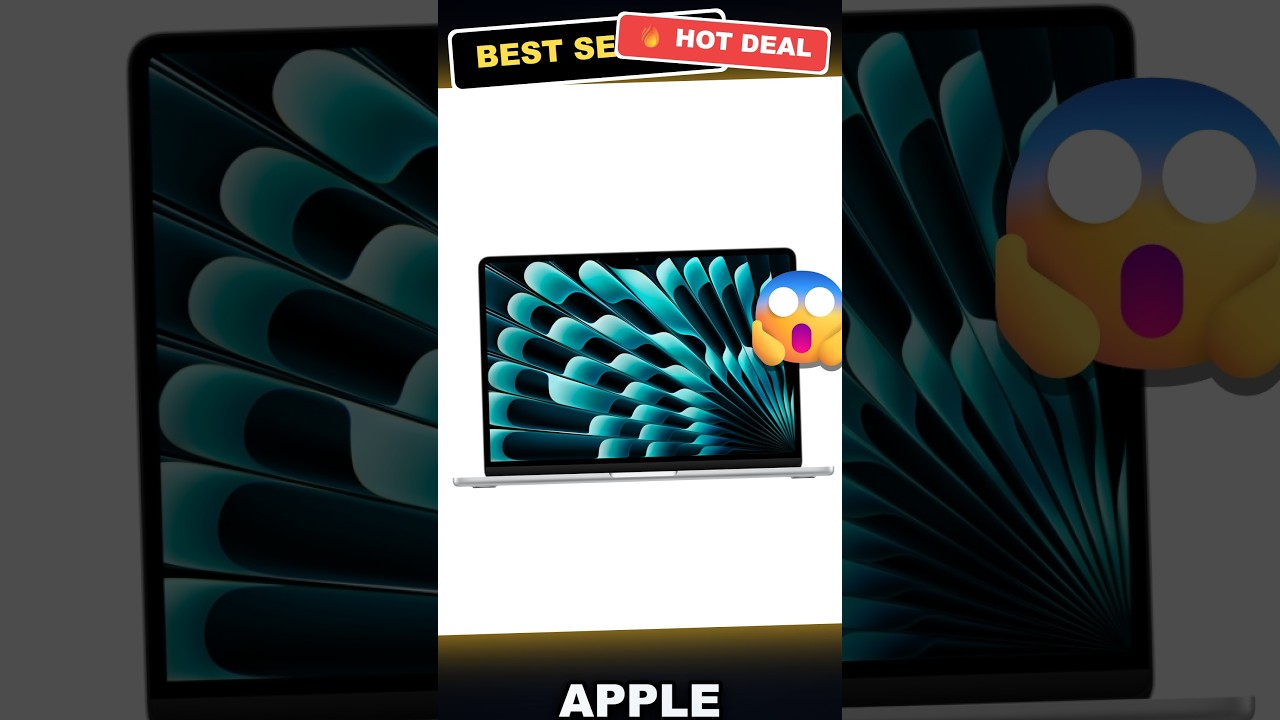
The Apple MacBook Air 13-inch with the M5 chip arrives as the next evolution in ultraportable laptops, promising blazing-fast performance tailored for AI-driven workflows. Designed for students, professionals, and creatives, this laptop combines cutting-edge silicon with Apple’s signature thin-and-light design. With up to 18 hours of battery life and a 13.6-inch Liquid Retina display, it targets users who need power without compromise. This review breaks down whether the M5 chip delivers real-world gains over its predecessor and how it stacks up against competitors like the Dell XPS 13 or HP Spectre x360. For those evaluating their next laptop purchase, this analysis highlights key features, trade-offs, and who truly benefits from upgrading to the 2026 MacBook Air. The MacBook Air M5 retains Apple’s iconic wedge-shaped design but introduces subtle refinements in build quality. The Midnight color option features a matte aluminum chassis with a precision-engineered unibody, offering a premium feel without the bulk of traditional laptops. The 13.6-inch Liquid Retina display remains one of the sharpest in its class, with 500 nits of brightness and P3 wide color support for vibrant visuals. The keyboard and trackpad retain their best-in-class ergonomics, while the fanless design ensures silent operation under load. Weight comes in at just 2.7 pounds, making it effortless to carry between classes or meetings. The only notable trade-off is the lack of a MagSafe charger, replaced by USB-C, which may disappoint longtime Apple users. Performance is where the M5 chip shines, delivering up to 3x faster CPU speeds and 4x faster GPU performance compared to Intel-based predecessors. The 24GB unified memory and 1TB SSD configuration handles demanding tasks like video editing, 3D rendering, and AI workloads with ease, though casual users may find 16GB sufficient. The 12MP Center Stage camera and Wi-Fi 7 connectivity ensure smooth video calls and lightning-fast internet speeds, while Touch ID provides secure, instant logins. Compared to the M3, the M5 offers marginal improvements in efficiency, but the real advantage lies in its AI optimizations—expect faster on-device processing for apps like Final Cut Pro and Adobe Creative Suite. Battery life remains a standout, with real-world usage often exceeding Apple’s 18-hour claim, though intensive tasks can drain it faster. Value is the biggest question mark for potential buyers. The MacBook Air M5 starts at $999 but quickly escalates with upgrades, pushing it into premium territory. For students or professionals already invested in Apple’s ecosystem, the seamless integration with iPhone, iPad, and Mac devices justifies the cost. However, those prioritizing raw power or gaming may find alternatives like the ASUS ZenBook Pro or Razer Blade 14 more compelling. The Verdict: This laptop excels as a productivity machine for everyday users who value portability and battery life over niche features. If you’re upgrading from an older MacBook or need a reliable secondary device, the M5 is a strong choice—but budget-conscious buyers should weigh the price against alternatives.
Price varies
Price varies