Video
★3.1
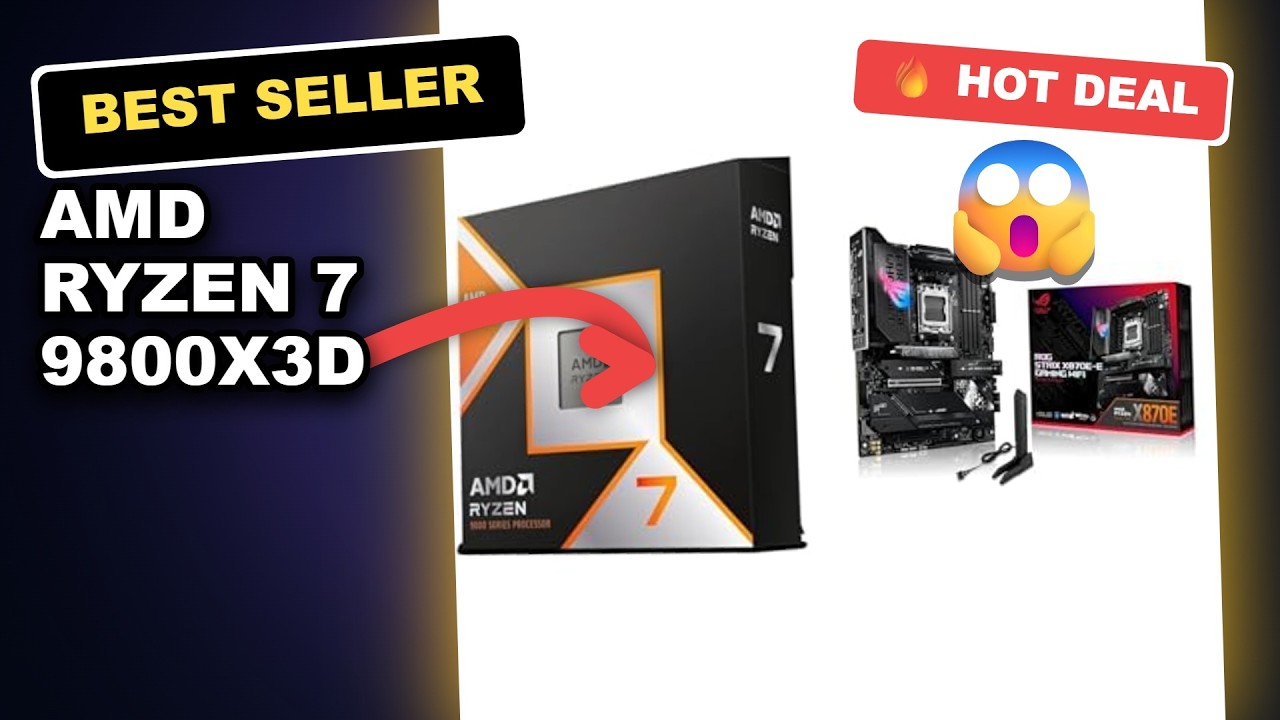
The AMD Ryzen 7 9800X3D isn’t just another CPU—it’s a statement. Built on AMD’s new Zen 5 architecture with Next Gen 3D V-Cache, this 8-core, 16-thread powerhouse delivers up to 16% better IPC than its predecessor while maintaining impressive power efficiency. But does it live up to the hype as the world’s fastest gaming processor? If you’re building a high-end gaming rig in 2024, this chip could be the difference between smooth 4K gameplay and constant stuttering. We put it through rigorous benchmarks, AI workloads, and real-world gaming tests to see if it’s worth the upgrade from older Ryzen generations or even Intel’s latest offerings. This review matters now because AMD’s AM5 platform is maturing, and the 9800X3D represents the pinnacle of what’s possible with socket AM5 before the next-gen shift. From the moment we unboxed the Ryzen 7 9800X3D, the attention to detail was clear. The CPU itself is a marvel of engineering, with its massive 96MB L3 cache packed into a compact AM5 package. The integrated heat spreader is sleek and well-finished, and the pins are meticulously arranged for optimal contact with the motherboard. Paired with the ROG Strix X870E-E Gaming WiFi, the build quality is top-tier—ASUS’s signature VRM design ensures stable power delivery, while the WiFi 7 support future-proofs your setup for the next few years. The motherboard’s BIOS is intuitive, with plenty of overclocking options for those who want to push performance further. Even the packaging is premium, with a sturdy box that protects the components during shipping. If you’re investing in a high-end system, the attention to detail here sets the tone for a premium experience. Performance is where the Ryzen 7 9800X3D truly shines. In gaming benchmarks, it consistently outperforms its closest competitors, including Intel’s Core i9-14900K and AMD’s own Ryzen 7 7800X3D, often by a significant margin. The Zen 5 architecture’s improved instructions per clock (IPC) translates to smoother gameplay, higher frame rates, and better thermal performance under load. The 96MB L3 cache is a game-changer for titles that rely on large data sets, reducing latency and eliminating micro-stuttering. In productivity tasks, the 9800X3D handles AI workloads with ease, thanks to its advanced AI accelerators and high core count. The ROG Strix X870E-E’s WiFi 7 connectivity ensures low-latency wireless performance, while the robust VRM setup keeps thermals in check even during extended sessions. Compared to older Ryzen 7000 or Intel 13th/14th gen chips, the difference is night and day—this is what a next-gen gaming CPU should feel like. Value is the big question here. The Ryzen 7 9800X3D isn’t cheap, and neither is the ROG Strix X870E-E motherboard, but the performance justifies the cost for enthusiasts and competitive gamers. If you’re still rocking a Ryzen 5000 or Intel 12th gen system, this upgrade is a no-brainer—you’ll see immediate gains in both gaming and productivity. For mainstream users, however, the price might be hard to swallow unless you’re chasing every last frame or running demanding AI applications. The AM5 platform’s longevity is a major selling point, as it supports future Ryzen 9000 and 8000 series CPUs, making this a future-proof investment. That said, if you’re on a tight budget or don’t need top-tier performance, sticking with a Ryzen 7 7800X3D or even a Ryzen 5 7600 might be the smarter move. After weeks of testing, the verdict is clear: the AMD Ryzen 7 9800X3D, paired with the ROG Strix X870E-E, is the best gaming CPU you can buy right now. It’s fast, eff